
 English
 Nederlands
National Park Highlights
Kornati's Most Memorable Experiences
Kornati National Park is one of the most densely concentrated island groups in the Mediterranean — 89 islands, islets, and reefs packed into a relatively small area of sea, each more dramatic and barren than the last. It is Croatia's sailing paradise and a UNESCO-nominated natural wonder.
-
Sailing Paradise
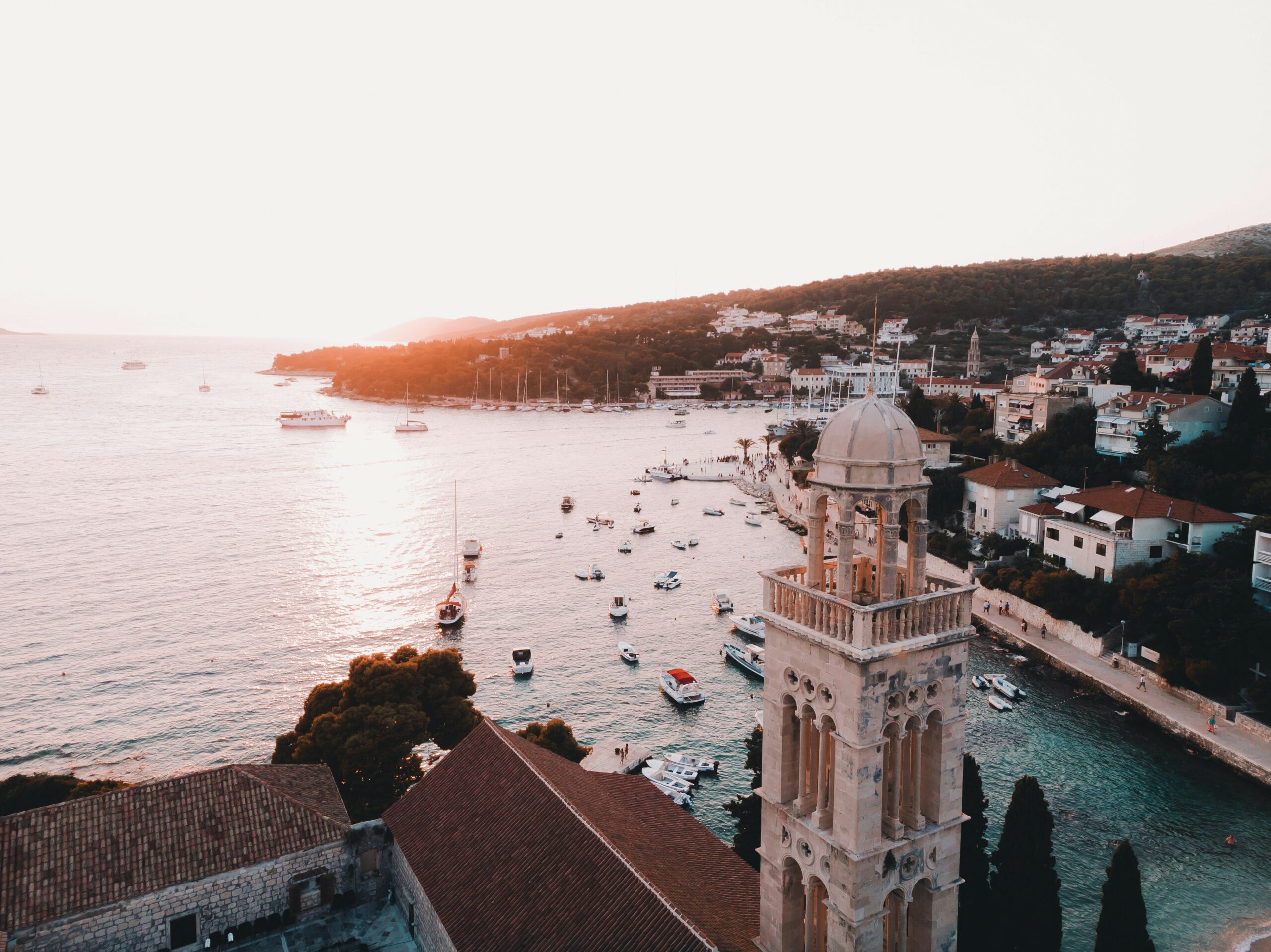
Sailing the Archipelago
Sailing through the Kornati is an experience unlike any other in the Mediterranean. Stone-white islands rise steeply from deep-blue water, their bare limestone cliffs sculpted by wind and sea into formations that feel almost geological in scale. The winding channels between islands are a sailor's dream of calm water and hidden anchorages.
-
Diving & Snorkelling
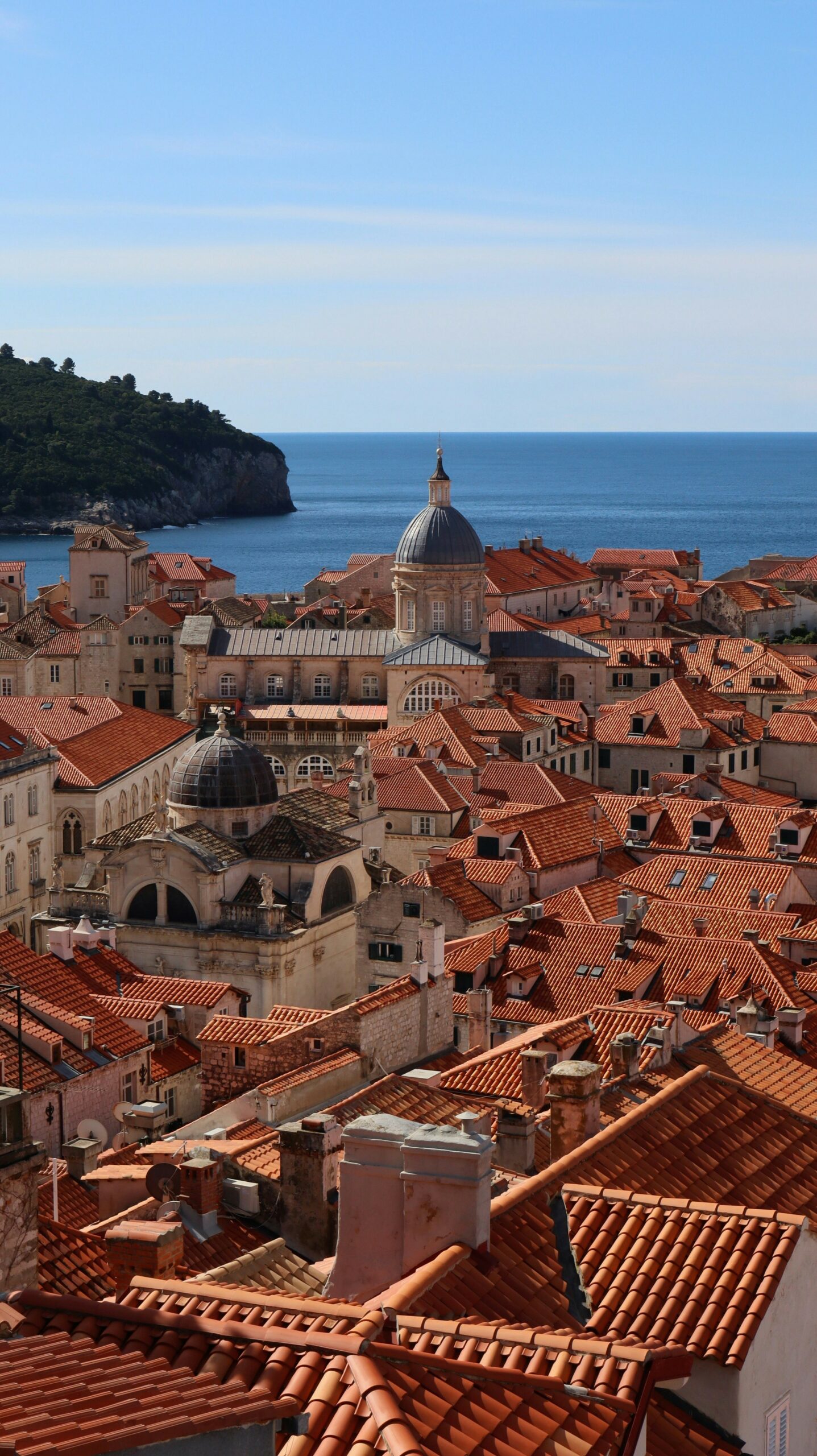
Underwater World & Marine Life
The waters around Kornati are among the clearest and richest in the Adriatic. Dramatic underwater walls plunge to depths of 60 metres, encrusted with sea fans, sponges, and corals. Moray eels, octopus, and shoals of fish are a common sight for snorkellers and divers alike.
-
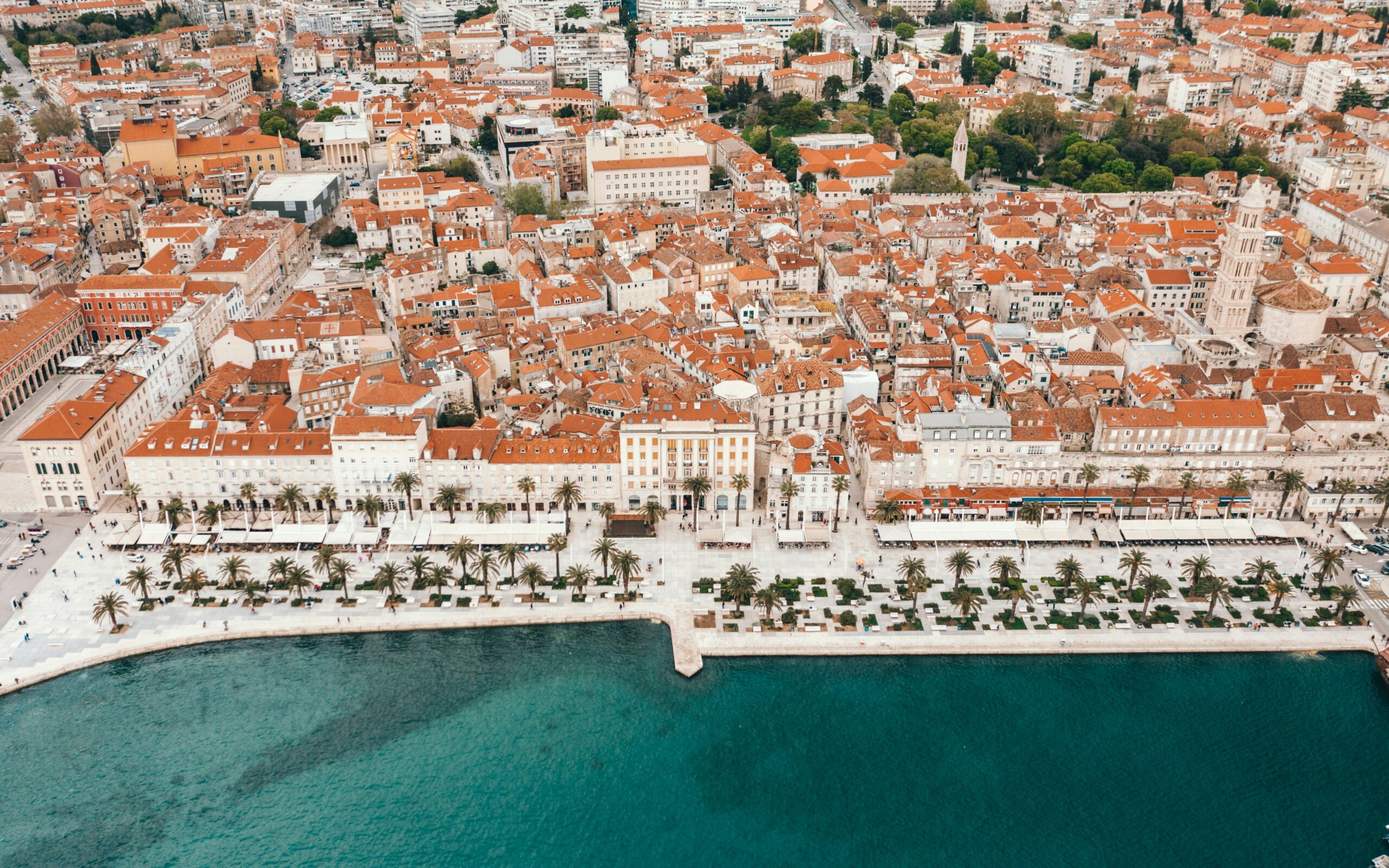
Island Life
Fishing Villages & Konobas
A handful of seasonal fishing settlements and family-run konobas dot the main island of Kornat. Grilled fish caught that morning, local wine, and the silence of an uninhabited island — dining in the Kornati is one of the most memorable experiences the Dalmatian coast can offer.
Responsible Travel
How to Visit Kornati Sustainably
Anchor Responsibly
Never anchor over seagrass beds (Posidonia oceanica), which are critically protected habitat zones within the park. Use official buoys wherever provided — they exist to protect the seabed.
Zero Waste on the Islands
There is no waste collection on most of the Kornati islands. Everything you bring in must come back out. This is a fundamental rule of visiting the park and a core principle of responsible sailing.
No Fires, No Picking
Open fires are strictly prohibited throughout the park — the dry karst vegetation ignites easily and fires in the archipelago can be catastrophic. Do not remove plants, shells, or stones from the islands.
Perfect Timing
When to Visit Kornati for the Best Experience
The Kornati National Park is at its wildest and most extraordinary in the shoulder seasons, when the sea is calm, anchorages are available, and the islands feel genuinely remote and untouched.
Spring Season
May - June
Ideal sailing winds, empty anchorages, crystal visibility
Autumn Season
September - October
Warm sea, golden light, exceptional diving conditions
Shoulder Season Benefits
Reliable Sailing Winds
The Maestral wind blows consistently in May and September, providing ideal sailing conditions without the unpredictable Bora storms of early spring or late autumn
Empty Anchorages
In July and August, popular bays like Lavsa and Kravljačica are crowded with charter boats. In shoulder season you may well have them entirely to yourself
Lower Charter Prices
Boat and yacht charter costs drop by 30–50% outside peak season, making the Kornati accessible to a much wider range of travellers
Best Diving Visibility
Autumn brings exceptional underwater clarity, with visibility sometimes exceeding 40 metres along the dramatic underwater walls of the park
True Wilderness Experience
Shoulder season is when the Kornati returns to its natural state — silent, wild, and deeply humbling. This is what George Bernard Shaw was describing
More Accessible Day Trips
Organised day-trip boats from Murter and Šibenik are less crowded and more flexible in shoulder season, with better access to outlying areas of the park
Kornati in Its Purest Form
Come in the shoulder season and experience the archipelago as it truly is — wild, silent, and utterly extraordinary. One of the last great wildernesses of the Adriatic.
Ready to Explore
Start Your Kornati Journey
Whether you arrive by sail, by day-trip boat, or by kayak, the Kornati National Park will leave you with memories that no other destination in the Adriatic can match. Come and see why.